Choosing the right branding method matters as much as choosing the right product. Embroidery, screen print, and digital print each have clear strengths — and the wrong choice can cost you money or result in a finish that doesn’t match your brand. Here’s a plain-English guide to the three main decoration options for NZ businesses ordering branded merchandise.
What Is Embroidery and When Should I Use It?
Embroidery uses thread stitched directly into fabric. It’s the premium option for workwear and soft goods because:
- It looks and feels high quality — it has texture and weight that print can’t replicate
- It’s extremely durable — it doesn’t fade or peel with washing
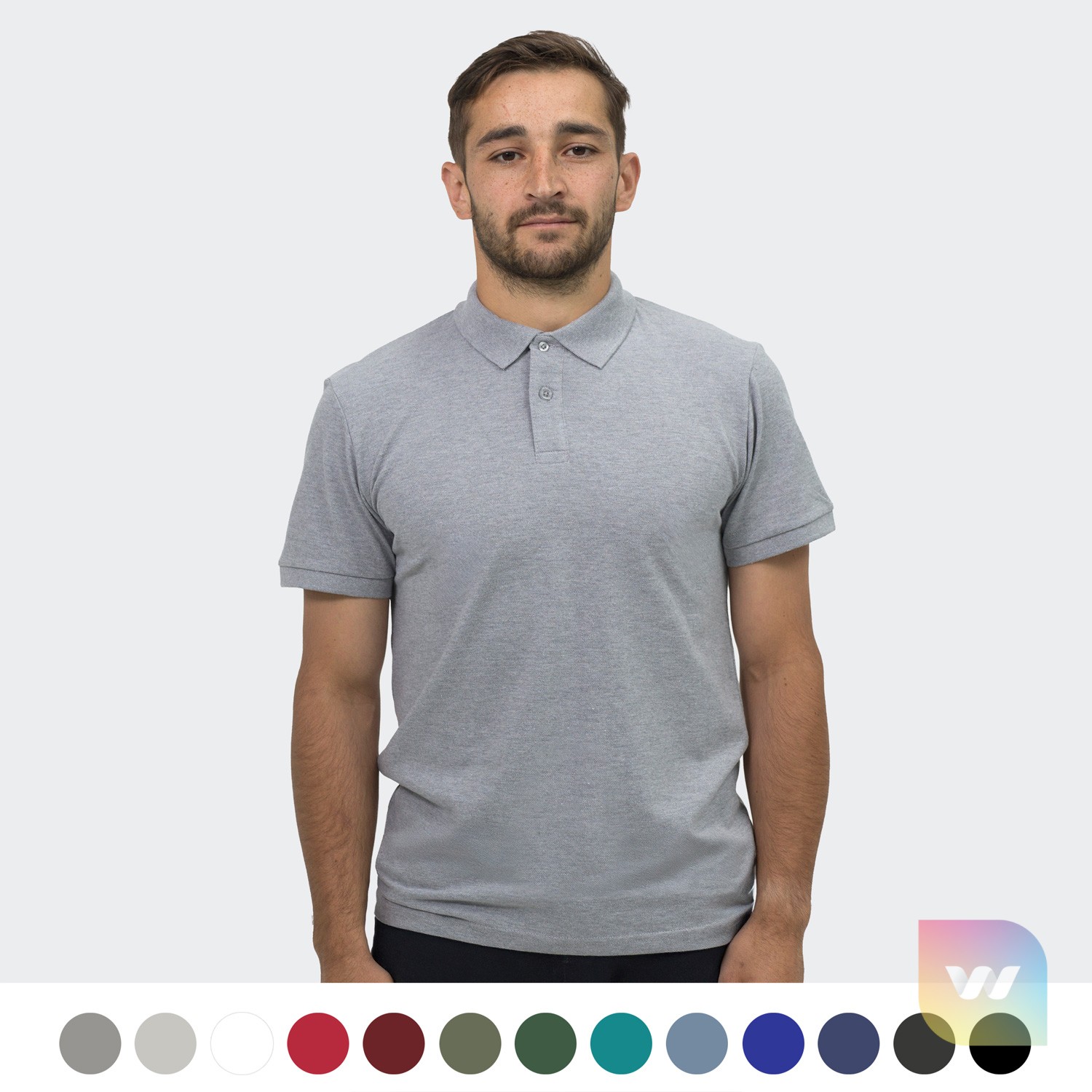
- It works best on polos, caps, beanies, bags, and aprons
- It suits logos with limited colours and bold, clean shapes
Best for: branded polo shirts, beanies, caps, aprons, and canvas tote bags.
Not ideal for: highly detailed logos, gradients, very small text, or products with a tiny branding area. Embroidery requires a one-time digitising setup fee.
What Is Screen Printing and When Is It the Right Choice?
Screen printing uses ink pressed through a mesh stencil onto the product. Each colour is a separate screen. It’s the standard method for:
- Large print areas — e.g. the full side of a bag or a wrap-around bottle
- High-volume runs where unit cost matters
- Vibrant, solid colours on fabric or hard surfaces
- Single or limited colour logos
Best for: stubby coolers, cotton tote bags, promotional bags at volume, and T-shirts.
A setup cost applies per colour/position. Screen print delivers the best unit cost at 100+ units.
What Is Digital Print and When Does It Work Best?
Digital print covers full-colour methods like direct digital printing, DigiFlex transfer, and Colourflex transfer. These are ideal when:
- Your logo has many colours, gradients, or photographic elements
- You need a shorter run — sometimes from 25 units
- You want to personalise each item with a different name or detail
Best for: full-colour notebooks, branded keyrings, compact mirrors, and products where colour accuracy is critical.
Note: digital transfers on fabric may not last as long as embroidery. Best for products that won’t be washed frequently.
What Is Laser Engraving and How Does It Differ?
Laser engraving burns the logo directly into the surface — it’s a permanent marking, not a print. Ideal for:
- Premium metal drinkware — bottles, mugs, vacuum coolers
- Wooden and bamboo products
- Glass items like wine taster glasses
Examples: Aura Vacuum Bottle, Chateau Wine Taster Glass, Bamboo Lip Balm. Laser engraving is permanent, prestigious, and particularly popular for corporate gifts.
Which Branding Method Is Most Cost-Effective?
It depends on your volume, product, and logo complexity:
- Embroidery — higher per-unit cost, excellent durability. Best for workwear and premium branded items.
- Screen print — lower per-unit cost at volume with a setup fee per colour. Best for bags, totes, and promotional items in large runs.
- Digital print — higher per-unit cost but no colour limits and shorter run flexibility. Best for complex logos or personalised items.
- Laser engraving — mid-to-high per-unit cost, permanent finish. Best for premium gifts and drinkware.
Which Method Does WPC Recommend for My Product?
The right answer depends on your product, logo, and quantity. WPC’s team will recommend the best decoration method when you request a quote — and we’ll tell you if a different method would save you money or produce a better result. We have access to all major branding options across the full Trends range.
Contact WPC for a free quote — we’ll advise on the best branding method for your product and budget.
Also useful: What file format do I need for branded products in NZ? and How long do branded products take in NZ?


